How Appetite Suppressants Work: Fiber, Hormones and Blood Sugar
Quick Answer: How Do Appetite Suppressants Work?
Appetite suppressants work by making fullness arrive sooner and last longer through three routes: soluble fiber absorbs water and swells into a gel that stretches the stomach, protein and fermented fiber raise satiety hormones like GLP-1 and PYY, and slower carbohydrate absorption steadies blood sugar so crash-driven cravings fade. They nudge appetite signals rather than switching hunger off.
- Gastric stretch: a fiber gel physically fills the stomach and slows how fast it empties.
- Satiety hormones: GLP-1 and PYY rise and tell the brain the meal was enough.
- Steadier glucose: a flatter blood-sugar curve removes the dip that triggers snacking.
Hunger feels like a single sensation, but it is really a committee. A handful of gut hormones, a stretch reflex in the stomach wall and the slope of your blood sugar all vote on whether you reach for a second helping — and understanding how appetite suppressants work means understanding that they lean on those votes rather than switching hunger off at the mains. The most defensible ones are not chemical off-switches. They are tools that make fullness show up a little earlier and linger a little longer, so the portion that satisfies you ends up smaller than it would otherwise have been. That is a modest promise, and it is the honest one.
It also explains why two products described with the same words can behave completely differently. A stimulant that blunts appetite by revving your nervous system is doing something very different from a soluble fiber that swells in your stomach, even though both get filed under "appetite suppressant". This article is about the second kind — the mechanism behind fiber-led formulas like the one covered across this site — because it is the approach with the fewest surprises and the clearest logic.
How Appetite Suppressants Work, One Mechanism at a Time
There are three mechanisms worth knowing, and a good fiber-based formula uses all three at once. None of them is exotic. Each is a normal part of the way your body already decides you are full; the supplement simply arranges for those signals to fire a bit sooner and a bit more strongly. Here is the short version before the detail:
| Mechanism | What sets it off | What you notice |
|---|---|---|
| Soluble fiber gel & gastric stretch | Fiber meets water and swells | Physical fullness; the stomach empties more slowly |
| Satiety hormones | Protein plus fermented fiber | GLP-1 and PYY rise; "I've had enough" arrives earlier |
| Steadier blood sugar | Slower carbohydrate absorption | No mid-afternoon crash, so fewer snack urges |
Soluble fiber gel and gastric stretch
The most tangible mechanism is the simplest. Soluble fibers — glucomannan is the most heavily studied example, and inulin-type fibers behave similarly — are not digested in the small intestine. Instead they absorb many times their own weight in water and turn into a soft, viscous gel. That gel takes up space. Your stomach wall is lined with stretch receptors, and when they register volume they send a fullness signal up the vagus nerve to the brain regardless of how many calories that volume contains. Water and fiber weigh on those receptors just as a large meal does.
The gel does a second thing on the way out: it slows gastric emptying, the rate at which the stomach passes its contents into the intestine. A stomach that empties more slowly stays fuller for longer, which is why a fiber dose taken before eating can carry its effect across the meal and into the gap before the next one. This is also the mechanism that makes water non-negotiable. A soluble fiber without enough fluid cannot form its gel, and a dry fiber dose is both less effective and more likely to feel uncomfortable. It is the single most common reason people conclude, wrongly, that fiber "does nothing" for them.
Protein-driven satiety hormones
The second mechanism is hormonal and it is where the phrase "the gut talks to the brain" stops being a metaphor. Your small intestine is studded with cells that release satiety hormones in response to what arrives from a meal. Two of the important ones are GLP-1 and PYY. Protein is a particularly strong trigger for them, which is a large part of why a high-protein breakfast keeps people fuller than a high-carbohydrate one of the same calories. When GLP-1 and PYY rise, appetite falls; the brain reads them as evidence the meal has been adequate and dials down the drive to keep eating.
Fiber contributes here too, by a slower route. Fermentable fibers reach the colon intact and feed the bacteria living there. Those bacteria digest the fiber and produce short-chain fatty acids, and short-chain fatty acids also stimulate the release of GLP-1 and PYY. This is the quiet, cumulative half of appetite support: it is not something you feel in the first hour, but it is part of why the effect of a daily fiber tends to strengthen over the first couple of weeks rather than fading. If you want to see how much of this you can build from the plate before a capsule enters the picture, our guide to how to curb cravings naturally between meals covers the food side in detail.

Steadier blood sugar and fewer cravings
The third mechanism targets the cravings that feel like they come from nowhere. When you eat fast-absorbing carbohydrates on their own, blood glucose climbs quickly and the body answers with a large insulin release. That release can overshoot, pulling glucose down below where it started — the reactive dip that arrives an hour or two later as fatigue, irritability and a very specific hunger for something sweet or starchy. That hunger is not weakness; it is a physiological request to refuel, and it is remarkably hard to argue with.
A viscous soluble fiber flattens that whole curve. By slowing the rate at which carbohydrate is absorbed, it lowers the peak and, crucially, softens the subsequent trough. No dramatic dip, no urgent craving. This is the same physiology behind the mid-afternoon slump many people blame on willpower — the pattern our piece on the causes of the afternoon energy crash unpacks in full. Steadier glucose will not delete a habit built around the 3 p.m. vending machine, but it removes the biological push that made the habit so hard to resist in the first place.
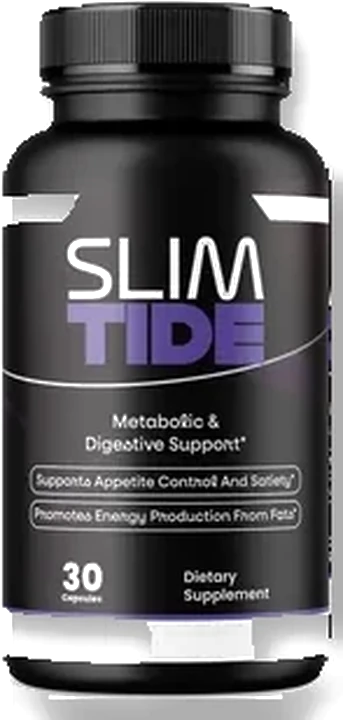
Want the fiber-first approach in one daily capsule?
SlimTide is built around this exact logic: soluble prebiotic fiber for gastric stretch and steadier glucose, plus a probiotic blend to support the gut bacteria that turn fiber into satiety signals — stimulant-free, one capsule a day. Pricing, supply options and the manufacturer's money-back guarantee are all laid out on the official store page.
See the Official SlimTide Offer
Affiliate link. We may earn a commission at no extra cost to you.
Where SlimTide fits into the mechanism
SlimTide sits squarely in the fiber-and-microbiome lane rather than the stimulant lane, and that placement is the whole point. Its formula pairs soluble prebiotic fiber — chicory root inulin and potato resistant starch on the label we work from — with a multi-strain probiotic blend. The fiber does the immediate work: it forms the gel that provides gastric stretch and it blunts the post-meal glucose spike. The probiotic and prebiotic pairing does the slower work of feeding the bacteria that generate short-chain fatty acids and, through them, the satiety hormones described above.
What SlimTide deliberately does not contain is a stimulant. There is no caffeine load doing the appetite-blunting, which means no jitter, no elevated heart rate and, importantly, no interference with sleep when taken later in the day. That trade-off is a feature: it makes the product suitable for the daily, consistent use that the microbiome mechanism actually depends on. If you want the ingredient-by-ingredient breakdown of what is in the bottle and why, we have a full walkthrough of the SlimTide ingredients and what each one does.
An appetite suppressant does not beat hunger. It changes the terms of the negotiation, so a smaller plate is enough and the gap before the next meal is quieter.
Three myths worth clearing up
Myth one: appetite suppressants are just stimulants that speed you up. Some are, and those are the ones behind most of the category's bad reputation — the racing heart, the crash, the tolerance. But the fiber-and-hormone mechanism is entirely different. It does not touch your nervous system; it works on stomach volume, gut hormones and glucose absorption. Judging a stimulant-free fiber formula by the behaviour of a caffeine pill is like judging oatmeal by the behaviour of an espresso.
Myth two: your body adapts and they stop working. This is a real phenomenon — for stimulants. Tolerance is a nervous-system response, and it is why stimulant-based appetite blunting tends to fade and tempt people into ever-larger doses. Mechanical fullness does not work that way. A fiber gel takes up the same space in month three as it did on day one; stretch receptors do not "get used to" volume. If anything, the microbiome side of the effect tends to strengthen with consistent feeding rather than weaken.
Myth three: cravings are all in your head, so a supplement cannot help. Some cravings genuinely are cognitive — the reward pull of a food you associate with comfort, and no capsule touches that. But a large share of everyday cravings are physical, driven by a blood-sugar dip or a fast-emptied stomach, and those have a mechanism a supplement can blunt. The honest framing is that appetite support handles the biological hunger and leaves the emotional pull to you. For a natural, food-first version of the same principle, see our rundown of a natural appetite suppressant that actually works.
How to actually take one so the mechanism can fire
Mechanism is only half the story; timing and hydration decide whether it happens at all. Three rules cover most of it.
First, take a fiber-based appetite support 30 to 40 minutes before your largest meals. That window lets the fiber meet water and begin forming its gel before the food arrives, so the gastric stretch is already building when you sit down. Take it as you start eating and the gel forms too late to shape that meal. The full case for timing — and why pre-meal beats every other option — is laid out in our guide to the best time to take diet pills for appetite control.
Second, use a full glass of water, every time, no exceptions. This is the mechanism, not a suggestion. Soluble fiber without enough fluid cannot gel, which makes it both less effective and more likely to feel unpleasant. If you struggle to drink a full glass, that is a sign to drink more overall, not to skip the water.
Third, be consistent and start low. The microbiome and satiety-hormone effects are cumulative, so a boring, daily dose beats a perfect dose taken twice a week. Starting with a smaller amount and building up gives your gut bacteria time to adapt and limits the gas that fermentable fibers can cause in the first week or two — a normal, temporary sign the fiber is being fermented, not a sign it disagrees with you.
What appetite suppressants cannot do
Being honest about the ceiling is part of respecting the mechanism. Appetite support makes it easier to eat less; it does not create a calorie deficit by itself, and it cannot override a diet that is in overall surplus. Eat past the point of fullness often enough and the fullest stomach in the world will not stop you. The tool lowers the effort required to eat sensibly; it does not remove the decision.
It is also not a treatment for anything. Persistent, unexplained appetite changes, unintended weight loss, or hunger that keeps you up at night are reasons to see a clinician, not reasons to buy a supplement. And if you are pregnant, nursing, under 18, managing a health condition or taking prescription medication, the sensible step is a conversation before you start — the specific questions worth asking are set out in our guide to what to ask a pharmacist before buying a supplement. A fiber formula is low-drama for most healthy adults, but "most" is not "all", and the point of understanding the mechanism is to use it with your eyes open.
Common questions
How do appetite suppressants make you less hungry?
Most work through three overlapping routes: soluble fiber absorbs water and swells into a gel that physically fills the stomach and slows how fast it empties; protein and fermented fiber raise satiety hormones such as GLP-1 and PYY that tell the brain you have eaten enough; and slower carbohydrate absorption flattens the blood-sugar curve so the crash that triggers snacking never arrives. Together they make fullness show up sooner and last longer.
Do appetite suppressants really reduce cravings?
They can reduce the cravings that are driven by a blood-sugar dip or by an empty, fast-emptying stomach, because those cravings have a physical cause a fiber gel or a steadier glucose curve can blunt. They do far less for cravings driven by habit, stress, boredom or reward, which are wired differently. Expect a supplement to soften the biological hunger, not to override an emotional pull to food.
How fast do appetite suppressants work?
A fiber-based appetite support taken 30 to 40 minutes before a meal with a full glass of water can change how much you want at that specific meal the first time you try it, because the gel forms within the hour. The steadier, day-to-day reduction in snacking and the microbiome effects behind it build over one to three weeks of consistent daily use rather than overnight.
Can you take appetite suppressants every day?
A stimulant-free, fiber-based appetite support is designed for daily use, which is exactly how the consistency effect is meant to build. Start with a lower dose and plenty of water to let your gut adjust and limit early gas, and take it with fluid every day. Stimulant-heavy pills are a different story and are more likely to cause tolerance, so read the label and check with a pharmacist if you take medication.
Related reading
References and further reading
General information, not medical advice. These statements have not been evaluated by the Food and Drug Administration, and no dietary supplement is intended to diagnose, treat, cure or prevent any disease. Speak to a qualified healthcare professional before changing what you take.
Affiliate link. Sliemtide Daily Brief earns a commission on purchases made through it, at no extra cost to you. We are not the manufacturer.