Gut Health Supplement Near Me: What to Ask a Pharmacist Before You Buy
Quick Answer: What Should You Ask?
Ask a pharmacist four things before buying any gut supplement: whether it interacts with your current medicines, whether any ingredient is a problem for your specific health conditions, whether the dose on the label is anywhere near what research has used, and whether a cheaper or better-established option would do the same job. A community pharmacist can check your medication list against the ingredient panel in a couple of minutes, and that consultation is normally free.
- Bring the label, not the advertisement — a photo of the ingredient panel is enough.
- Bring your full medicine list, including anything you buy over the counter.
- Ask what would make them say no — the answer tells you far more than a yes.
Why the pharmacy counter is the cheapest second opinion available
Pharmacists spend years studying how compounds behave in the body and how they interfere with one another, and in most countries you can walk up and ask them a question without an appointment, a referral or a fee. For dietary supplements specifically they are often better placed than anyone else you have easy access to, because the questions that actually matter — does this collide with my medication, is this dose plausible, is this ingredient a problem for me — are pharmacology questions, and pharmacology is the job.
There is a second, less obvious advantage. A pharmacist has no stake in whether you buy the specific product you are holding. If they suggest you skip it, that suggestion costs them nothing, which is more than can be said for any page that sells the thing, this one included. When you search gut health supplement near me you will get shops; what you want is the person standing inside one who is willing to tell you that the product in your hand duplicates something you already take.
Gut Health Supplement Near Me: What the Person Behind the Counter Can Actually Check
It helps to know the boundaries of the consultation before you start it. A pharmacist can do a genuine interaction screen against your dispensing record, flag ingredients that clash with a known condition, tell you whether a milligram figure is in a sensible range compared with the published literature, explain what the excipients are, and warn you about the ones that commonly cause trouble. They can also tell you when something ought to go to your GP instead.
What they cannot do is verify that the powder in the capsule matches the label, because that requires a laboratory and a certificate of analysis, and supplements in most markets are not pre-approved the way medicines are. They cannot promise a result. And they may not know a particular direct-to-consumer brand at all, which is not evasion — there are thousands, and most never pass through a pharmacy. Bringing the ingredient panel solves that problem instantly, because the panel is the part they can reason about regardless of the name on the bottle.
The questions, in the order worth asking them
| # | Ask this | Why it matters |
|---|---|---|
| 1 | "Does anything here interact with what I already take?" | The single highest-value question. Fiber can affect absorption timing of oral drugs; live cultures matter if you are immunocompromised. |
| 2 | "Given my conditions, is any ingredient a bad idea?" | IBS, IBD, diabetes, kidney disease, immune suppression and swallowing difficulties all change the answer. |
| 3 | "Is this dose anywhere near what studies use?" | Underdosing is the most common flaw in the category, and it is visible from the label. |
| 4 | "Should I space this away from my medication?" | Often the practical fix. A two-hour gap solves many absorption concerns. |
| 5 | "Is there a cheaper or better-established option?" | Sometimes the answer is a food change or a single well-studied fiber. |
| 6 | "What side effects should I expect at the start?" | Knowing gas and bloating are normal in week one prevents an unnecessary panic or an unnecessary quit. |
| 7 | "What would make you tell me to stop?" | Gives you a concrete stopping rule instead of a vague worry. |
Question seven is the one people skip and the one that pays. A pharmacist who says "stop and come back if you get persistent abdominal pain, blood in the stool, fever, or symptoms that wake you at night" has handed you a decision rule you can apply without them. That is worth more than an endorsement.
Know what you are asking about
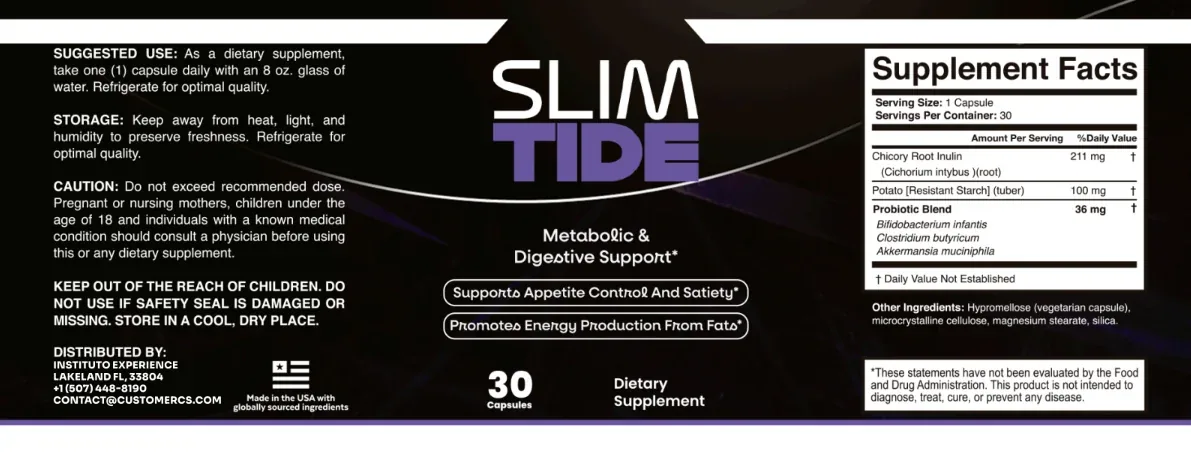
If you want to take the exact ingredient panel to the counter, the full label breakdown for the formula covered here — chicory root inulin 211 mg, potato resistant starch 100 mg and a 36 mg three-strain probiotic blend per capsule — is published on the official store page along with supply options and the refund terms.
View the Official Label and Offer
Affiliate link. We may earn a commission at no extra cost to you.
Bring the label, not the marketing
Walk in with a screenshot of the supplement facts panel and the "other ingredients" line underneath it. That single image contains almost everything the conversation needs: which fibers and which strains, how many milligrams of each, the CFU count if there is one, the capsule material, and the fillers. Marketing copy contains none of it. If a product will not show you that panel before purchase, you have learned something important and the consultation is over before it starts.
Bring your medicines too, or a printed list. "I take a blood pressure tablet and something for my thyroid" is not enough to screen properly, because the timing rules differ between drugs and the pharmacist needs the specific names and doses. Include the things people forget: the antacid, the iron tablet, the herbal sleep aid, the fish oil. Most real-world interaction problems come from the items nobody thinks to mention.

The interactions a pharmacist is most likely to flag
For fiber-based and live-culture products, a handful of themes come up repeatedly. Bulk fiber taken at the same moment as an oral medicine can slow or reduce its absorption, which is why the standard advice is to separate them by a couple of hours — this matters more for drugs with a narrow therapeutic window, such as levothyroxine, lithium, digoxin, some seizure medicines and certain antibiotics. Anyone on glucose-lowering medication should know that a genuine change in fiber intake can change post-meal glucose, which is a good thing that still needs monitoring rather than ignoring.
Live cultures raise a separate question. Guidance for people who are significantly immunocompromised, who have a central venous catheter, or who are critically ill is cautious about live-organism products, and that is precisely the situation where a pharmacist should be the one making the call rather than a webpage. The same applies during and immediately after certain treatments, where clinicians may have specific instructions that override general advice. None of this makes the category dangerous for most healthy adults; it makes the two-minute screen worth doing.
When the honest answer is "not from me"
Sometimes the right outcome of the conversation is a referral. Ongoing digestive symptoms deserve a diagnosis before they deserve a supplement, and a pharmacist will usually say so. Red flags — unintentional weight loss, blood, persistent pain, a change in bowel habit lasting weeks, symptoms starting later in life, a family history of bowel disease — belong with a doctor first. Buying a prebiotic to quieten a symptom that has not been explained is the one genuinely risky thing in an otherwise low-risk category, because it delays the part that matters.
It is also fair to ask about cost-effectiveness. A pharmacist may point out that a large tub of a single well-studied fiber, or a cheap change to what you eat, would achieve more than a branded capsule — the same logic set out in our piece on building a daily fiber target from real meals. That is not a snub to the product; it is the correct order of operations, and it is the answer many people are really looking for when they ask about the best gut health supplement for weight loss.
A pharmacist has nothing to gain from your purchase. That is precisely what makes the two minutes at the counter worth more than the hour you spent reading product pages.
What this consultation cannot do
Be realistic about the limits. A pharmacist cannot confirm that what is in the bottle matches the label, cannot audit a manufacturer's quality systems from behind a counter, and cannot tell you whether a product will work for you — nobody can, because individual response to fermentable fiber and live cultures varies enormously and there is no clinically useful test to predict it in advance. They also cannot give you a diagnosis; that is a different appointment.
They will not have read the specific studies behind a given brand's formula, and they should not pretend to have. What they will do is tell you whether the milligram figures are plausible, whether anything in the panel collides with your list, and whether the symptom you are treating needs a doctor. That is a narrow but genuinely valuable service, and it is the part of the buying decision most people skip entirely.

After the conversation: buying without getting stung
If you get the green light, the remaining decisions are commercial rather than clinical. Buy from the manufacturer's own store or an authorised retailer wherever possible; marketplace listings for direct-to-consumer supplements are a well-documented route for counterfeits and for stock that has been stored badly, which matters especially for live cultures. Check the refund terms before you pay, and check whether they cover an opened bottle — a guarantee that only applies to sealed product is not really a guarantee. Prefer a single supply you will actually finish over a bulk purchase of something you have never taken, and be wary of any offer that hides the total until the final screen. The formula discussed on this site's main page ships through the manufacturer's own checkout for exactly that reason.
Then set the expectation properly. Fermentable fiber changes take weeks, not days; give any product a fair, uninterrupted run at the labelled dose before judging it, and keep a note of anything that changes so you are not relying on memory. If nothing has moved after a full supply taken consistently, that is useful information too. Stopping something that is not working is as sensible a decision as starting it was.
Common questions
Is it free to ask a pharmacist about a supplement?
In most community pharmacies, yes. Asking about interactions and suitability is part of the routine service and does not normally require an appointment or a fee. Longer structured medication consultations may work differently depending on the country and the pharmacy.
What should I take with me to the pharmacy counter?
Take a photo of the supplement facts panel including the other ingredients line, and a complete list of everything you take, with names and doses. Include over-the-counter items, herbal products and vitamins, because those are the ones people most often forget to mention.
Can a pharmacist tell me whether the product actually works?
No, and a good one will say so. They can check interactions, flag ingredients that are unsuitable for your conditions, and tell you whether a dose is plausible compared with published research. Whether a given formula helps you specifically cannot be predicted in advance.
Should I stop taking my medication while using a fiber supplement?
Never stop a prescribed medicine to make room for a supplement. The usual approach is spacing rather than stopping, commonly leaving about two hours between a bulk fiber product and oral medication. Ask your pharmacist or prescriber what spacing applies to your specific drugs.
References and further reading
- NIH National Center for Complementary and Integrative Health — Dietary and herbal supplements
- NIH Office of Dietary Supplements — Dietary supplement fact sheets
- Mayo Clinic — Drugs and Supplements reference
- Harvard Health Publishing — Should you take dietary supplements?
- PubMed — literature on dietary supplement and drug interactions
General information, not medical advice. These statements have not been evaluated by the Food and Drug Administration, and no dietary supplement is intended to diagnose, treat, cure or prevent any disease. Speak to a qualified healthcare professional before changing what you take.
Affiliate link. Sliemtide Daily Brief earns a commission on purchases made through it, at no extra cost to you. We are not the manufacturer.