How to Curb Cravings Naturally
How Do You Curb Cravings Naturally?
To curb cravings naturally, keep your blood sugar and appetite hormones steady rather than trying to out-willpower them. Front-load protein at breakfast, add soluble fiber and water to every meal, protect seven to nine hours of sleep, and manage stress. No single move switches hunger off, but stacked together they strip most of the intensity out of a craving before it starts.
- Protein first: 25–30 g at breakfast blunts hunger for hours afterwards.
- Fiber and water: both add fullness and flatten the blood-sugar spike that triggers the next snack.
- Sleep and stress: one short night raises the hunger hormone ghrelin the very next day.

The frustrating thing about a craving is how physical it feels. You are not weak and you are not lacking discipline — you are on the receiving end of a chemistry problem. When blood sugar dips, when the stomach is empty, when a hormone called ghrelin climbs after a bad night's sleep, the brain produces an urge that is designed to be hard to ignore. That is why "just resist it" fails so reliably, and it is also the good news: because cravings are driven by measurable inputs, you can learn to curb cravings naturally by changing the inputs instead of fighting the output. This guide walks through the four levers that do the most work — protein, fiber, water and sleep — the myths worth dropping, and the honest, limited role a supplement plays inside all of it.
What actually drives a craving
Two forces do most of the damage. The first is the blood-sugar curve. Eat a meal built on refined carbohydrate — a pastry, a sugary coffee, white toast — and glucose spikes fast, insulin rises to clear it, and an hour or two later blood sugar overshoots on the way down. That dip is read by the brain as an emergency, and the fastest fix it knows is more sugar. It is a loop that manufactures its own next craving, which is why the person who skips breakfast or eats a sweet one is often the hungriest by eleven.
The second force is hormonal. Ghrelin, produced mainly in the stomach, rises when you are empty and tells the brain to seek food. Leptin and the gut's fullness hormones push the other way, signalling that you have had enough. Sleep loss, chronic stress and ultra-processed food all tilt this balance toward ghrelin and away from fullness. Understanding this is the whole game, because every tactic that works — and every honest claim about a supplement that helps — comes back to flattening the glucose curve or nudging the fullness signals. If you want the deeper mechanism, our explainer on how appetite suppressants work in the body unpacks the hormonal side in detail.
Protein at breakfast: the single highest-leverage move
If you change one thing, change breakfast. Protein is the most satiating of the three macronutrients gram for gram, and it is the slowest to digest, so a protein-forward first meal keeps the stomach occupied and the glucose curve gentle for hours. The research target that keeps coming up is around 25 to 30 grams of protein at breakfast, and studies comparing high-protein mornings against carbohydrate-heavy ones consistently find lower hunger, fewer evening snack urges and less mindless grazing later in the day.
Twenty-five to thirty grams is more than most people picture. It is three eggs plus a slice of cheese, or a large bowl of Greek yogurt with seeds, or a scoop of protein powder blended into oats and milk, or leftover chicken and beans if you are not precious about breakfast foods. Compare that to the default — a bowl of cereal, a bagel, a sweet coffee — which delivers a fast glucose spike and single-digit grams of protein, and you can see why the default morning sets up an afternoon of cravings. Fixing breakfast is the closest thing to a free lunch in appetite control, because it works downstream all day without you having to think about it again.

Fiber and water: how to curb cravings naturally by staying full
Fiber is protein's quiet partner. Soluble fiber — the kind in oats, beans, chia, apples and psyllium — absorbs water and forms a gel that slows how fast the stomach empties. That does two useful things at once: it stretches out the feeling of fullness, and it blunts the glucose spike from whatever it is eaten alongside. A bowl of oats with berries and a spoon of chia is not just "healthy" in the abstract; it is mechanically engineered to keep you from wanting a snack at ten-thirty. Most adults get roughly half the fiber they should, so for many people simply closing that gap is the difference between grazing all afternoon and forgetting food exists until lunch.
Water belongs in the same conversation because thirst is a notorious impostor. The brain regions that register thirst and hunger overlap enough that mild dehydration is routinely misread as a snack craving. The fix is almost embarrassingly simple: before you eat anything unplanned, drink a large glass of water and wait ten minutes. Often the urge fades, because it was never hunger. Drinking water before meals also adds stomach volume, and several trials have found people eat modestly less at a meal they started with a glass or two. It will not melt fat and it is not a trick, but it is free and it works often enough to be the first move every time.
The craving you can prevent at breakfast is easier to beat than the one you are trying to resist at 3 p.m. Front-load the day with protein, fiber and water and most afternoon urges never fully form.
Sleep and stress: the levers people ignore
You can eat perfectly and still be ambushed by cravings if you are underslept. A single short night measurably raises ghrelin and lowers the fullness hormones the following day, which is why a bad sleep so often turns into a day of snacking you cannot explain. Sleep deprivation also biases the brain's reward system toward exactly the high-sugar, high-fat foods you are trying to eat less of. Seven to nine hours is not a wellness cliche here; it is one of the most powerful appetite interventions available, and it is completely free.
Stress works through a different door but arrives at the same place. Cortisol, the stress hormone, drives appetite toward calorie-dense comfort food, and for many people emotional eating is a bigger craving trigger than actual hunger. You do not need a meditation retreat to blunt it; a ten-minute walk, a few slow breaths before you open the fridge, or simply naming the feeling ("I am stressed, not hungry") is often enough to break the automatic reach for food. Learning to tell physical hunger from emotional hunger is a skill, and it is one of the most reliable ways to curb cravings naturally over the long run.
Want a daily habit that reinforces all of this?
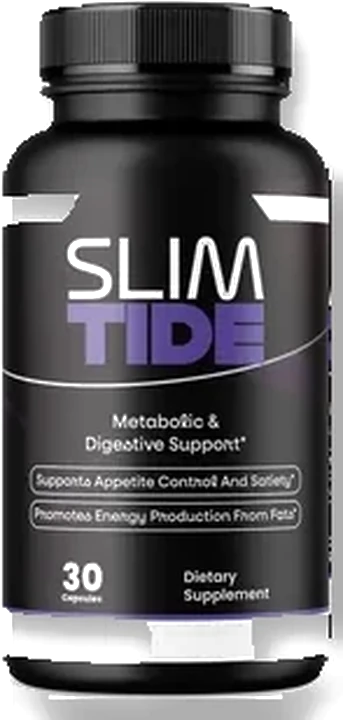
Protein, fiber, water and sleep do the heavy lifting — but a consistent daily dose of prebiotic fiber can reinforce the fullness signals you are already building. SlimTide pairs chicory root inulin and potato resistant starch with a three-strain probiotic blend in one capsule a day, designed to support appetite and gut balance alongside your routine, not replace it. See the full formula, supply options and the manufacturer's money-back guarantee on the official store page.
See the Official SlimTide Offer
Affiliate link. We may earn a commission at no extra cost to you.
Three myths about curbing cravings, cleared up
Myth one: cravings mean your body needs that nutrient. The old idea that a chocolate craving means you are low on magnesium is charming and almost entirely wrong. Cravings track habit, blood sugar, mood and cues far more than any specific deficiency — if it were about nutrients, people would crave broccoli. Treat a craving as a signal about your recent inputs (what and when you ate, how you slept), not a diagnostic readout.
Myth two: you have to cut out the food you crave completely. Total bans tend to backfire, because forbidden food becomes more salient and the eventual "slip" turns into a binge. A more durable approach is to build a diet full enough of protein and fiber that the craving is quieter to begin with, then eat the thing you actually want deliberately and without drama. Restriction that you can keep beats perfection you abandon by Thursday.
Myth three: a pill can suppress your appetite for you. This is the big one, and it is worth being blunt. No supplement overrides hunger the way marketing sometimes implies. What the honest end of the category does is more modest: certain fibers and formulas can support fullness and steadier blood sugar, which makes the habits easier to hold. If you are weighing your options, our review of a natural appetite suppressant that actually works separates the mechanisms with real evidence from the ones running on hope and a nice bottle.
Where an appetite-support supplement honestly fits
Here is the honest version, because you will not get it from a landing page. A supplement supports the habits; it does not replace them. Everything above — the protein, the fiber, the water, the sleep — is the actual mechanism of appetite control, and no capsule changes that ranking. What a well-designed formula can do is add consistency and a specific input on top of a decent routine.
That is the lane SlimTide is built for. Each capsule supplies 211 mg of chicory root inulin and 100 mg of potato resistant starch — two well-studied fermentable fibers that feed the gut bacteria involved in producing fullness signals — plus a 36 mg three-strain probiotic blend, taken once a day. The value is not that it is a large dose of fiber; in gram terms it is small next to a bowl of beans. The value is that it delivers the same specific substrate every day, including the days your eating is chaotic, which is exactly when your food-based fiber tends to collapse. Timing matters too, and if you are curious when to take it for best effect, our guide on the best time to take diet pills and supplements covers the practical details.
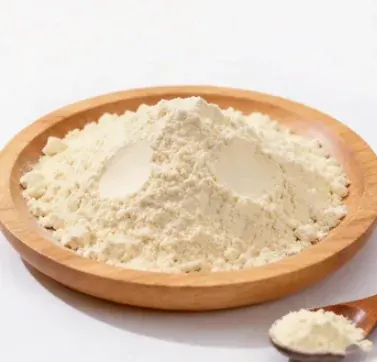
What a supplement cannot do is worth stating just as plainly. It will not create a calorie deficit on its own, it will not override a diet built on sugar and refined carbohydrate, and it is not a treatment for any medical condition. Fermentable fibers like inulin can also cause gas or bloating in the first week or two while your gut adjusts, which is normal and usually settles — but it is a reason to start low and give it time rather than judge it on day two. If you are pregnant, nursing, taking medication or managing a health condition, clear any new supplement with a professional first; the questions worth asking are laid out in our guide to what to ask a pharmacist before buying a supplement.
A simple daily plan to put it together
You do not need to do all of this perfectly. Pick the top of the list and let it cascade. Start the day with 25 to 30 grams of protein and some fiber — that one meal quietly manages the next eight hours. Build lunch and dinner around protein and vegetables, and put a fibrous carbohydrate (beans, oats, whole grains, fruit with the skin) in place of a refined one at least once a day. Keep water in reach and drink a glass before any unplanned snack. Protect your sleep window as if it were a meeting you cannot move, because in appetite terms it is more important than most of them.
Then, and only then, decide whether a daily supplement earns a place on top. If it helps you stay consistent — if a once-a-day capsule is a habit you will actually keep when the beans and the meal-prep fall apart — that consistency has real value. Judge it the way you would judge any addition: give it a fair run of a few weeks alongside the habits, notice whether afternoons feel calmer, and keep it only if it is genuinely pulling its weight. That is how you curb cravings naturally and sustainably, with a routine that survives a bad week rather than a heroic push that does not.
Common questions
How can I stop cravings naturally?
Stack the habits that keep blood sugar and appetite hormones steady: eat 25 to 30 grams of protein at breakfast, add soluble fiber and water to every meal, sleep seven to nine hours, and manage stress. No single tactic switches cravings off, but layered together they take most of the intensity out of them.
What foods reduce hunger and cravings?
High-protein and high-fiber foods do the most: eggs, Greek yogurt, beans, lentils, oats, chia, berries, vegetables and nuts. Protein and fiber both slow digestion and blunt the blood-sugar swings that trigger the next craving, so a meal that combines them keeps you full for longer than a refined-carbohydrate meal of the same calories.
Does drinking water reduce appetite?
Often, yes. Thirst is easily mistaken for hunger, and a glass or two of water before a meal adds volume to the stomach and modestly reduces how much people eat in several studies. Water is not a magic appetite switch, but it is free, has no downside, and is worth trying before you reach for a snack.
Can supplements help with sugar cravings?
They can support the habits, not replace them. A prebiotic fiber supplement such as SlimTide adds a consistent daily dose of chicory inulin and resistant starch that feed fullness-related gut signals, which may make it easier to hold a routine. It works alongside protein, fiber-rich food and sleep, not instead of them.
Related reading
References and further reading
- Harvard T.H. Chan School of Public Health — Protein: The Nutrition Source
- Mayo Clinic — Dietary fiber: Essential for a healthy diet
- CDC — About Sleep and Health
- NIH Office of Dietary Supplements — Probiotics fact sheet for health professionals
- PubMed — primary literature on protein, satiety and appetite
General information, not medical advice. These statements have not been evaluated by the Food and Drug Administration, and no dietary supplement is intended to diagnose, treat, cure or prevent any disease. Speak to a qualified healthcare professional before changing what you take.
Affiliate link. Sliemtide Daily Brief earns a commission on purchases made through it, at no extra cost to you. We are not the manufacturer.