Natural Appetite Suppressant That Works: The Fibre-and-Protein Approach
Quick Answer: What Natural Appetite Suppressant Actually Works?
A natural appetite suppressant that works relies on viscous soluble fibre, glucomannan and adequate protein rather than stimulants. Fibre absorbs water and slows how fast the stomach empties, so fullness lasts longer, while protein raises satiety hormones and lowers ghrelin. SlimTide applies this stimulant-free approach in one daily capsule, taken before meals.
- Real levers: soluble fibre, glucomannan and protein — not caffeine or thermogenic herbs.
- How it feels: calmer, longer fullness and fewer between-meal cravings, with no jitters.
- Timing: take fibre-based support 30–40 minutes before meals with a full glass of water.

The phrase gets searched tens of thousands of times a month for a reason: everyone who has ever dieted knows the enemy is not knowledge, it is hunger. You do not need another article telling you to eat less; you need the specific reason your body fights you when you try, and what actually quiets it. The good news is that a natural appetite suppressant does not have to mean a jittery stimulant or a herb with a scary label. The levers with the most consistent support — soluble fibre, glucomannan and protein — work through plumbing and hormones, not adrenaline, which is exactly why they can be used every day without the crash-and-tolerance cycle. This is how they work, which ones are worth your money, and how SlimTide packages them.
Why hunger is a signal, not a character flaw
Appetite is regulated by a conversation between your gut, your hormones and your blood sugar, and none of it is under conscious control. When your stomach is stretched and food is moving slowly through it, stretch receptors and gut hormones send fullness signals to the brain. When food has emptied and blood sugar dips, the hormone ghrelin rises and tells you to eat. If you have ever felt ravenous ninety minutes after a big sugary breakfast, that was not weakness — it was a fast blood-sugar spike, a matching insulin surge, an over-correction to a low, and a ghrelin rebound, all working exactly as designed. A natural appetite suppressant that works does not override this system with a stimulant; it feeds better inputs into it so the signals themselves change.
Lever one: viscous soluble fibre and glucomannan
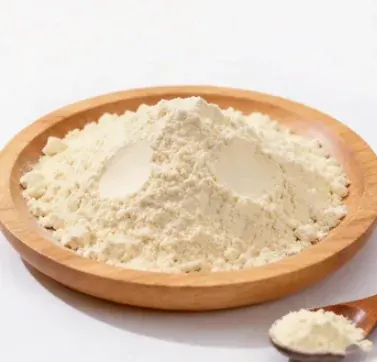
The single best-supported natural suppressant is viscous soluble fibre, and glucomannan — a fibre from the konjac root — is the headline example. Its mechanism is almost mechanical. It absorbs many times its weight in water and forms a thick gel in the stomach. That gel does two useful things: it takes up physical space, stretching the stomach and triggering fullness, and it slows gastric emptying, so the stomach stays fuller for longer and the rise in blood sugar after a meal is gentler and more gradual. Slower emptying plus a flatter glucose curve means the ghrelin rebound that drives the next craving is delayed and softened. This is not exotic pharmacology; it is a sponge doing physics, and it is precisely why soluble fibre shows up in credible appetite research again and again.
The practical catch is dose and timing. The gel has to form before the food arrives, which is why fibre-based suppressants are taken with a full glass of water thirty to forty minutes ahead of a meal. Take them dry, or with the meal itself, and you lose most of the effect. Ramp them too fast and you get gas while your gut adapts. Respect the water and the timing and they are one of the most reliable, side-effect-light tools available.
Lever two: protein and the satiety hormones
The second lever is protein, and it is the most under-used appetite tool in ordinary diets. Gram for gram, protein is the most satiating macronutrient. It stimulates the release of satiety hormones like GLP-1, PYY and CCK — the same family of signals that prescription weight medicines amplify pharmacologically — and it blunts ghrelin more effectively than carbohydrate or fat. It also carries a higher thermic effect, meaning your body spends more energy digesting it. You do not need a powder to use this lever: anchoring each meal with a real protein source shifts the whole day's hunger downward. But when appetite is the specific obstacle, front-loading protein and pairing it with soluble fibre is close to the ceiling of what food alone can do for fullness.
Lever three: a steadier blood-sugar curve
The third lever ties the first two together. Much of what people experience as "cravings" is really the trough after a glucose spike — the mid-afternoon slump that sends you hunting for sugar. Soluble fibre and protein both flatten the post-meal glucose curve, which means a smaller spike, a smaller insulin response, and no deep rebound low to trigger the next raid on the snack drawer. This is the mechanism behind the whole site's angle on the afternoon energy crash, and it is why a fibre-and-protein strategy reduces snacking at times of day you were not even eating a meal. If you want the deeper dive on cutting cravings at their source, our guide on how to curb cravings naturally unpacks it further.
Want these levers in one daily capsule?
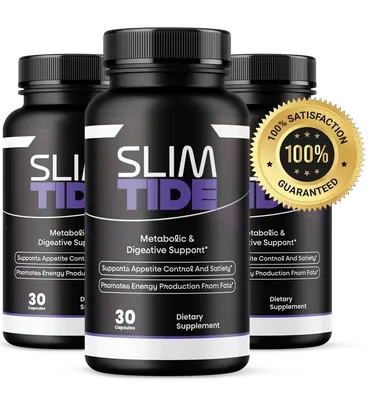
SlimTide is built to apply the fibre-and-gut-axis approach to appetite without a single stimulant — no jitters, no crash, no sleep disruption. Take it before meals with water and let the mechanism do the work. The 3 and 6 bottle packs include free US shipping and a 60-day money-back guarantee, so testing it costs effort, not risk.
See the Official SlimTide Offer
Affiliate link. We may earn a commission at no extra cost to you.
How SlimTide applies the natural appetite suppressant playbook
SlimTide is a stimulant-free, plant-based daily capsule that leans on exactly these mechanisms rather than on caffeine or thermogenic herbs. It uses fermentable and prebiotic fibres to support the satiety-and-slow-emptying effect and to feed the gut bacteria involved in appetite and metabolic signalling, adding a probiotic angle that pure fibre powders miss. The point of the capsule is not to out-muscle hunger with a stimulant jolt; it is to deliver a consistent, measured dose of the calming levers every day, on schedule, whether or not that day's meals happened to be high in fibre and protein. You can see the exact composition and the reasoning behind each ingredient on the SlimTide ingredients page before you decide.

Objection one: "Stimulant burners feel stronger, so they must work better"
They feel stronger because they act on your nervous system, and that sensation is easy to mistake for effectiveness. But the appetite-suppressing effect of caffeine and similar stimulants fades within days to a couple of weeks as tolerance builds, while the side effects — racing heart, anxiety, disrupted sleep — do not. Worse, poor sleep independently raises ghrelin and drives hunger the next day, so a stimulant that wrecks your sleep can quietly increase your appetite over time. A natural fibre-and-protein suppressant produces a quieter sensation but a more durable one, because its mechanism — physical fullness and hormonal satiety — does not habituate the way a nervous-system stimulant does. Quiet and sustainable beats intense and short-lived every time you are playing a months-long game.
Objection two: "If fibre is so good, I'll just eat more vegetables"
You should — and for most people, food first is genuinely the right order. But two honest gaps remain. The first is viscosity: the specific gel-forming fibres that suppress appetite most effectively, like glucomannan, are not abundant in a typical plate of vegetables, which lean toward insoluble fibre that adds bulk without the same satiety gel. The second is consistency: real diets are erratic, and the day you most need appetite help is usually the day you ate worst. A measured daily dose of the right fibre delivers the mechanism reliably regardless of how the day's meals went. Food builds the foundation; a targeted suppressant covers the gaps in it. The two are partners, not rivals — a point we make in detail in our note on how appetite suppressants work.
Objection three: "Won't my body just get used to it?"
This is the right question, because tolerance is exactly what kills stimulant suppressants — and it is the key advantage of the natural fibre approach. You do not build tolerance to physics. A gel that occupies space in your stomach and slows emptying does the same thing in month three as it did on day one, because there is no receptor to down-regulate and no neurotransmitter to deplete. Likewise, protein's effect on satiety hormones does not fade with repeated use. That durability is the whole reason this approach is suitable for daily, long-term use, whereas stimulant suppressants are, at best, short-term crutches that stop working right when you need them most.
The strongest natural appetite suppressant is not the one with the biggest kick. It is the one that still works in week twelve — and physics does not build tolerance.
How to actually use a natural appetite suppressant
Mechanism only pays off if the protocol is right, and the protocol is simple. Take fibre-based support about thirty to forty minutes before your largest one or two meals of the day, each time with a full glass of water — the water is not optional, because the fibre needs it to form the gel and because dehydrated fibre is what causes discomfort. Anchor those same meals with a real protein source so both levers fire together. Ramp in gradually over the first week or two rather than starting at full tilt, which keeps the normal early gas to a minimum while your gut bacteria adjust. And keep the timing consistent day to day; the body responds to a reliable pattern more than to a perfectly optimised single dose. Get those four things right and the effect compounds quietly across the day.
Where a natural suppressant honestly cannot help
Honesty sets the ceiling. A natural appetite suppressant reduces hunger and makes a calorie deficit easier to hold; it does not create the deficit for you, and it will not overcome a diet that is in overall surplus. It is a lifestyle aid, not a medicine, and it is not intended to diagnose, treat, cure or prevent any condition. It also cannot fix hunger that is being driven by poor sleep, high stress or certain medications — those need addressing at the source. And anyone who is pregnant, nursing, taking prescription medication (especially anything where slowed gastric emptying matters) or managing a health condition should clear a fibre supplement with a healthcare professional first, and take it separately from medications so it does not blunt their absorption. Used with those limits in mind, though, the fibre-and-protein approach is one of the few genuinely evidence-aligned, low-risk tools in the whole weight-management aisle.
Related reading
- How appetite suppressants work — the hormones and physics behind hunger, explained.
- How to curb cravings naturally — practical tactics for the between-meal snack drive.
- The best time to take diet pills — getting the pre-meal timing and dosing right.
- SlimTide reviews: does it really work? — what real users report about appetite and cravings.
Common questions
What is the strongest natural appetite suppressant?
Among natural options, viscous soluble fibres such as glucomannan, combined with adequate protein, have the most consistent support for reducing hunger. They physically slow gastric emptying and boost satiety hormones without stimulants. Strength here means reliability and tolerability over time, not an intense sensation, which is why fibre-and-protein approaches outperform stimulant herbs for most people.
How do natural appetite suppressants reduce hunger?
They work mainly through physics and hormones rather than the nervous system. Soluble fibre absorbs water and forms a gel that slows how fast the stomach empties, so fullness lasts longer. Protein triggers satiety hormones and blunts the hunger hormone ghrelin. A steadier post-meal blood-sugar curve then reduces the rebound cravings that drive snacking.
Are natural appetite suppressants safe long term?
Fibre- and protein-based appetite suppressants are generally well tolerated for daily long-term use, unlike stimulant suppressants that can build tolerance and disrupt sleep. The most common effect is mild gas or bloating in the first week as the gut adapts, which usually settles. Take them with plenty of water, and check with a professional if you take medication.
When should I take an appetite suppressant?
For fibre-based suppressants, take them about 30 to 40 minutes before your largest meals with a full glass of water, so the gel has time to form before you eat. This timing maximises the fullness effect and helps you eat a smaller portion naturally. Consistency at the same times each day matters more than the exact minute.
References and further reading
General information, not medical advice. These statements have not been evaluated by the Food and Drug Administration, and no dietary supplement is intended to diagnose, treat, cure or prevent any disease. Speak to a qualified healthcare professional before changing what you take.
Affiliate link. Sliemtide Daily Brief earns a commission on purchases made through it, at no extra cost to you. We are not the manufacturer.